
Germination:
This refers to the time it takes for a seed to sprout after being planted - when that first little green shoot pokes through the soil. Keep in mind, this timeframe is based on ideal conditions, so your results may vary. If the packet includes a germination percentage, pay attention to it. That number tells you how likely a seed is to actually grow. For example, a 25% germination rate means only one in four seeds is expected to sprout—so you’d want to plant four seeds in one spot to increase your chances.
Days to Maturity (DTM):
This tells you how long it takes a plant to reach harvest after it’s established - not counting germination time. It’s a key factor when planning your growing season. In shorter growing seasons (like mine), look for plants with DTM under 120 days. If you’re using transplants, count from the day you move the seedling into the ground.
Seed Depth:
Some packets include this, but not all. As a general rule: plant seeds no deeper than twice their diameter. Larger seeds can go deeper, while tiny seeds should barely be covered—just a dusting of compost or soil. Seed depth typically ranges from the soil surface to about an inch. When in doubt, err on the side of planting too shallow rather than too deep.
Row Spacing:
This tells you how far apart to space your rows—mainly relevant if you're growing in traditional, farm-style beds. If you’re using intensive methods like square-foot gardening, you can usually ignore this.
Spacing / Thinning To:
This shows how far apart your plants should be once they’re growing. Sometimes listed as “thin to,” this is the final spacing needed for each plant to have enough room and nutrients to thrive. When your seedlings develop their first “true leaves” (the second set to emerge), thin them by snipping extra plants at the base with scissors - don’t pull them, or you might disturb the roots of your keeper. For square-foot gardening, use the thinning spacing to plan how many plants per square.
How to Plant:
Usually found in a separate paragraph, this section gives important details—whether seeds can be sown directly outdoors, need to be started indoors, or require special prep like soaking, nicking the seed coat (scarification), or chilling (stratification). Don’t skip this part—it’s key to getting things started right.
When to Plant:
Often located near the “How to Plant” section, this info is based on frost dates. Phrases like “sow after last frost” or “start indoors 4 weeks before final frost” help you time your planting to give seeds the best chance.
Sun / Light Requirements:
This tells you how much sunlight your plant needs:
-
Full sun = 6+ hours (8+ for sun-lovers like tomatoes, peppers, and eggplants)
-
Part sun = 4–6 hours
-
Shade = less than 4 hours
Expiration Date:
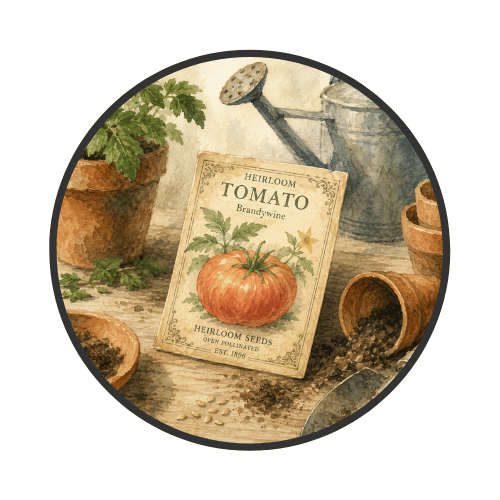
Seeds don’t last forever. The expiration date tells you how long they’re expected to remain viable. For best results, store seeds in a cool, dry, dark place—like a sealed plastic bag or jar tucked in a cupboard.
Extra Tips for Seed Success:
-
Keep your gear clean: Sanitize trays and tools to prevent disease.
-
Moisture matters: Soil should be lightly damp—not soaking. A good test? When squeezed, it should hold together slightly without forming a solid lump. Plant seeds typically need soil moisture between 50-75% during their germination period.
-
Temperature check: Different seeds have different germination temperature needs. Make sure you’re giving them the warmth—or chill—they require.
- Stratification: Some seeds need a period of cold (like 4–6 weeks) to mimic winter and “wake up” before they’ll germinate. This natural dormancy break is essential for certain varieties.
My favorite place to buy non-GMO seeds: Seed Renaissance https://www.mcssl.com/store/calebwarnock