

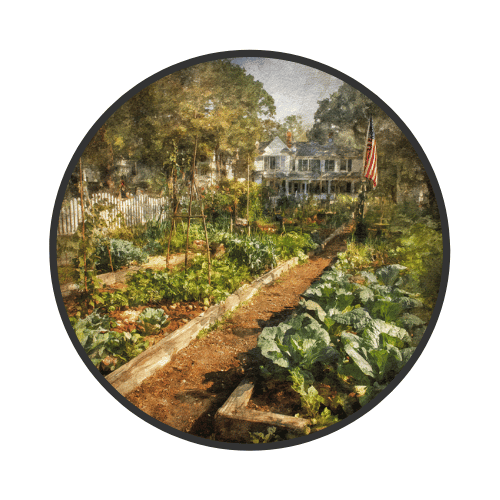
During the world wars of the 20th century, Victory Gardens sprang up across backyards, city parks, rooftops, and even vacant lots. These small food plots became a powerful symbol of resilience, patriotism, and community. While governments focused resources on feeding troops and supporting wartime efforts, ordinary citizens were encouraged to contribute by growing their own fruits and vegetables for a variety of reasons, including to ease food shortages, solidarity, to boost morale, promote food literacy, and to foster self-reliance.
This concept first took root during World War I, when U.S. President Woodrow Wilson called on Americans to "sow the seeds of victory." But it truly flourished during World War II, when posters, radio broadcasts, and neighborhood groups rallied citizens to turn every available patch of earth into a productive plot. During the height of World War II, more than 20 million Victory Gardens were planted across the United States, producing an estimated 40% of the nation's fresh vegetables.
What made Victory Gardens so fascinating wasn’t just their impact on food supply; it was the sense of purpose they gave to millions. Children learned to weed and water, neighbors shared tools and advice, and communities reconnected through a common goal. In a time of global uncertainty, these gardens brought a tangible sense of empowerment.
Today, the legacy of Victory Gardens lives on, even taking hold during the pandemic. Urban farms, community gardens, and backyard plots echo that same spirit, reminding us that in times of crisis, connection, sustainability, and hope can grow from the ground up.
Whether you're planting tomatoes in a windowsill pot or reclaiming a patch of unused land, the story of the Victory Garden reminds us: you don’t need much space to make a big difference, just seeds, soil, and the want to grow.