
When it comes to herbal medicine, where a plant grows matters just as much as what plant it is.
We understand that some customers feel hesitant when they see certain herbs sourced from countries like China. It is a valid question and one worth exploring with transparency, education, and respect for the plants themselves.
Because the truth is, sourcing herbs from their native environments is not a compromise. It is often the highest standard.
The Wisdom of Native Soil
Plants are deeply connected to the land they come from. Over thousands of years, they have adapted to very specific climates, soil compositions, altitudes, and ecosystems.
This relationship shapes how they grow and what they offer.
When an herb is grown in its native region, it develops in the exact conditions that nature intended. The mineral content of the soil, the rhythm of rainfall, the intensity of the sun, and even the surrounding plant life all influence the plant’s chemical makeup.
This is what gives herbs their unique energetic and functional properties.
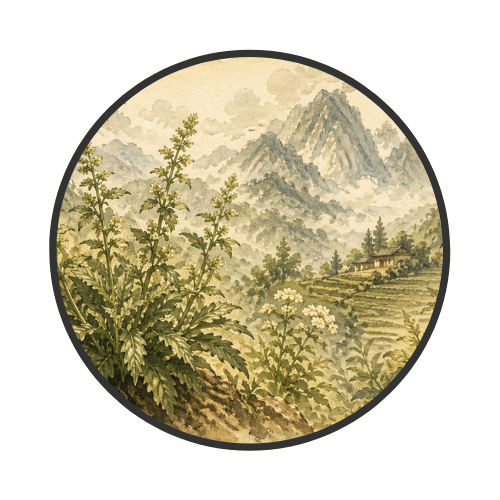
For example, many of the herbs used in Traditional Chinese Herbalism have been cultivated in the same regions for generations. These environments are not random. They are part of a long lineage of plant knowledge, where the land and the herb evolved together.
When herbs are removed from these environments, they can still grow, but they may not express the same depth, potency, or balance.
In other words, the soil tells part of the story.
Strength Through Natural Ecosystems
Plants growing in their native habitats are part of a larger ecosystem. They interact with neighboring plants, microorganisms, insects, and environmental stressors that help them become resilient.
This natural resilience matters.
A plant that has had to adapt to its environment tends to develop stronger internal defenses and more complex phytochemistry. These compounds are what we rely on for herbal support.
When herbs are grown outside of their native ecosystems, especially in overly controlled or unnatural conditions, they may lack some of this complexity.
Nature does not rush or force perfection. It builds strength through relationships and time.
Sourcing with Intention, Not Convenience
At RidgeCrest Herbals, we choose sourcing locations based on where a plant naturally thrives, not simply where it is easiest or cheapest to grow.
Sometimes that means working with trusted growers in regions such as China, India, and Eastern Europe, where certain herbs have been cultivated traditionally for centuries.
This is not about outsourcing quality. It is about honoring origin.
We partner with experienced growers who understand these plants, their environments, and the traditional methods used to cultivate them responsibly.
Safety Is Non-Negotiable
We also understand that sourcing globally comes with concerns about quality and safety.
That is why every herb we use undergoes rigorous testing before it becomes part of a finished product.
Our testing process includes:
-
Botanical identity verification to ensure the correct species is used
-
Screening for heavy metals such as lead, arsenic, cadmium, and mercury
-
Microbial testing to check for harmful bacteria, yeast, and mold
-
Pesticide residue analysis
-
Purity and potency verification
This ensures that what you are taking is clean, safe, and exactly what it claims to be. Because no matter where an herb is grown, safety must always come first.
Bridging Tradition and Modern Standards
Herbalism is both ancient and evolving. We respect traditional growing regions because they offer something modern agriculture cannot replicate. At the same time, we apply today’s scientific testing methods to ensure consistency, safety, and reliability.
It is not one or the other. It is both. This balance allows us to deliver products that are rooted in tradition while meeting modern expectations for quality and transparency.
A Relationship You Can Trust
At the end of the day, herbs are not just ingredients. They are living expressions of the land they come from. By sourcing herbs from their native environments and adhering to strict testing standards, we can offer products that are both authentic and trustworthy.
We believe you deserve to know where your herbs come from, how they are grown, and what steps are taken to ensure their safety. Because informed choices lead to better outcomes. And better outcomes start with respect for the plant.
Why does it matter where herbs are grown?
Where an herb is grown directly impacts its quality, potency, and chemical composition. Plants develop their beneficial compounds based on soil, climate, altitude, and surrounding ecosystems, which is why native growing regions often produce more complete and balanced herbs.
Are herbs sourced from China safe to use?
Herbs sourced from China can be safe and high quality when they are properly tested and responsibly grown. Reputable companies verify identity and screen for contaminants like heavy metals, microbes, and pesticides to ensure safety and purity.
Why are many herbal supplements sourced from other countries?
Many herbs naturally thrive outside the United States in regions where they have been traditionally cultivated for centuries. Sourcing from these native environments supports better plant development, stronger phytochemistry, and more authentic herbal quality.
How can I tell if an herbal supplement is tested for quality?
Look for brands that are transparent about their testing processes. High-quality supplements are typically tested for identity, purity, potency, and contaminants, ensuring the product matches what is listed on the label.
Do herbs grown outside their native environment work the same?
Herbs can still grow outside their native regions, but they may not develop the same complexity or potency. Native environments provide the ideal conditions that allow plants to fully express their natural properties.