
The Healing Power of Red Rock: Desert Silence, Vortex Energy, and the Spirit of Southern Utah
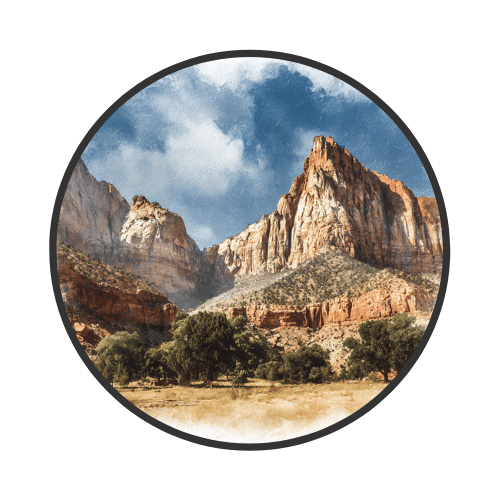
In the red rock country of Southern Utah, healing doesn’t come in a bottle or a spa. It rises from the earth, quiet, ancient, and unshakably grounded. Here, amidst sun-sculpted cliffs, slot canyons, and sagebrush silence, an ancient type of wellness is being rediscovered and is taking root: one that remembers the land as medicine.
Utah may be a destination for some, but it is more than that to others. Utah’s high desert has become a place of pilgrimage for those seeking clarity, restoration, and reconnection. Beneath its dramatic beauty lies a deeper force. Something felt, not explained.
The desert is a natural healer. We often look to forests or oceans for rejuvenation, but the desert offers a different kind of balm. Its openness invites introspection and its silence quiets the noise within. Scientists refer to this as “soft fascination”, a concept Kaplan describes as the gentle hold that natural environments exert on our awareness (Kaplan 170). It is the state your mind enters when surrounded by non-demanding natural stimuli. The desert offers this specific sense of peace and healing in abundance. I grew up in Utah and spent countless hours basking in the therapeutic luxuries of the mountains, but I did not get to know the desert until I met my husband around age thirty. He took me backpacking to remote desert oasis locations where it was rare to see another person for days at a time. Places where soil and water meet and you can walk barefoot in soft sand for miles under arches and through red rock formations, drinking sweet, pure spring water that pours naturally out of the sandstone. Places where he claimed restored him to his most wholesome and true self and that grounded him in ways nothing else could. Some of these places I would never reveal, he made me promise to hold them sacred and protect them. Utahns like to keep these local treasures sacred and protected from mass amounts of tourists. So, in order to access them, you’ll need to do your own research to find these hidden gems!
Other more public locations such as the Grand Staircase in Escalante, or Capitol Reef are more accommodating to visitors, are equally as stunning, and still provide a deep stillness that supports emotional release and creative clarity. The air is dry and clean, the light long and golden. Here, wellness is not curated, it is elemental! This is due to the vortex energy and sacred stone found throughout many beautiful Southern Utah destinations.
Utah’s red rock landscape is believed to hold vortex energy.
A vortex is a place on earth where special energy enters or exits the Earth. Although vortexes are more widely associated with Sedona, a growing number of seekers describe similar energy in Southern Utah. These spiritual vortex sites, often found in remote plateaus, beneath towering arches, or near ancient petroglyphs, are said to enhance meditation, deepen emotional awareness, spark spiritual awakening, and encourage metaphysical or energetic healing and wellness.
Kolob Terrace in Zions National Park, Cathedral Valley in Capitol Reef, and the mesas near Moab are just a few places where visitors speak of groundedness, openness, and a subtle vibrational hum.
While science may not measure vortexes, the human experience speaks for itself.
Why do we resonate with red rock? The land’s effects may not be purely mystical. Utah’s sandstone is rich in iron oxide, which gives it its deep red hue and reflects red-spectrum light. This type of light is believed to help regulate circadian rhythm and improve mood. Mornings and evenings, when the rocks glow crimson, are especially restorative times to walk, breathe, and reflect. High elevation, dry climate, and a notable absence of noise pollution also contribute to a sense of expanded awareness. Add in naturally occurring negative ions after desert rain or near waterfalls, and it is easy to understand why red rock and desert spaces feel good at a cellular level!
Ancestral knowledge and living balance should always be considered. Before natural wellness became an industry, it was a way of life. For the Ute, Goshute, Shoshone, Paiute, and Navajo peoples of this land, the red rock is sacred and woven into ceremonies, storytelling, and healing traditions passed through generations.
Navajo philosophy speaks of “Hózhó”, a state of harmony and balance within the universe. To walk in Hózhó is to walk in beauty. Spending time in the desert, in stillness, is part of returning to that state. As described by Navajo scholar Jennifer Nez Denetdale, Hózhó is not just a philosophical ideal, but a lived practice: a way of relating to the world through respect, resilience, and responsibility (Denetdale, 2007).
Any wellness journey you may be seeking here must begin with respect, for people who have cared for the land and the wisdom that still lives in it. This respect must extend to your own inner harmony and showing gratitude for the land that expands below you.
Stewardship is a form of wellness. As more people seek the healing power of Utah’s desert, the responsibility to protect it grows. True wellness is reciprocal: what the land gives us in clarity and calm, we should return in care and respect. That means staying on established trails when required, packing out ALL trash (even what isn’t ours when spotted), resisting the urge to carve names or destroy formations, treating the wildlife with love and tenderness, and trying not to do anything that might disrupt fragile ecosystems or desecrate sacred spaces. When we walk lightly, we not only preserve the beauty for others, but we also honor the deep spirit of the land itself. In order to have the full desert experience, let reverence be part of your ritual.
Desert retreats or self-guided experiences? Increasingly, guides and wellness practitioners are offering desert-based retreats that honor this landscape’s spirit. These gatherings focus less on performance and more on presence: sunrise meditations, breathwork in canyons, sound baths on slickrock, and silent hiking days.
Organizers of retreats such as Desert Reverie and Sacred Earth Journeys Utah emphasize grounding, slowness, and somatic awareness. Participants often come seeking healing, and leave with a deeper sense of themselves and the land.
For those not desiring to join a retreat, simply walking in the desertland mindfully, without headphones and without agenda, is a healing practice in itself. Some may enjoy a “desert sit” where you find a quiet, safe spot that speaks to you to sit for 30 minutes or so. Let that space of this beautiful land be your guide. Notice your breath. Listen to the silence that surrounds you. See what the land brings up in your mind and heart.
Reflection for the season. Whether you come to the red rock in winter’s quiet hush or spring’s reawakening, the desert offers itself fully. The wind speaks. The stone listens. The silence stretches wide between sun and shadow.
Seasonal shifts shape the desert in both beauty and challenge. Summer months, June through August, often bring intense heat with daytime temperatures around one hundred degrees Fahrenheit or higher. In contrast, winter nights can dip to freezing, especially in exposed canyon areas. From January to April, strong desert winds are common and can dramatically impact outdoor plans. If you're camping, be sure to stake your tent securely; if hiking, consider earlier start times and sheltered routes.
Every season brings its own rhythm. For many, May and September through October (my personal favorite) are the most comfortable and rewarding times to visit, considering the milder temperatures, fewer tourists, and a greater sense of solitude.
In a world of over-information and under-connection, places like Southern Utah remind us that wellness begins in presence. Not escape, but return. Not doing, but being. Often, that journey begins by standing still on ancient ground and breathing in the medicine of red stone and sky. The desert does not demand; it invites. In its silence, we find space to listen, not only to nature, but to the deeper voice within.