
I don’t know if others feel this way, but something shifted after 2020. The way I interact with the world has changed, and I imagine I’m not alone. The world and people feel different. The way we treat each other has changed. It feels as though we’ve slipped into an alternate reality. We experienced a global trauma: sickness, grief, loss, deception, isolation, fear. It touched us in ways we don’t fully understand that are still unfolding. We’re all carrying this trauma, unseen, but deeply felt, an invisible wound we all tend to alone.
I’ve watched families torn apart, friendships fade, and isolation replace connection. Political polarization deepens every divide, leaving anxiety, mistrust, and uncertainty in its wake. The fabric of community feels frayed. What weighs on me most is the rise of hate. I’ve watched people reduced to labels and cruelty replace compassion. The absence of empathy and the forgetting of our humanity presses heavily on us all. I feel it in hesitant conversations, missed gatherings, and the silence where connection once lived. This deep ache for a more compassionate world wears on me more than I care to admit, and I can’t sit back while hatred unravels our communities, families, and hearts. I know we can do better, we are capable of mending this, and choosing differently.
So, how do we mend this? How do we find hope, rebuild, and return to center?
Restoring connections begins with self-reflection. We must examine our own biases, question where we might be contributing to division or judgment. This requires mindfulness, being aware of our words, reactions, recognizing when fear drives our interactions, and making a conscious effort to respond differently. It also means acknowledging our own pain and trauma and understanding how our past experiences shape our interactions.
We need to evaluate our role in the larger picture. Are we engaging in conversations that challenge our perspectives, or are we stuck in echo chambers? Are we sharing and consuming content and news that fosters understanding or fuels fear and division? By identifying where the division is coming from and showing up with compassion, we can begin to take responsibility for the change we want to see.
Rebuilding connections and community is essential. Small acts of kindness, such as offering a compliment or helping a neighbor, can shift the energy around us. Reaching out to people we’ve lost touch with and practicing forgiveness can help heal relationships. Getting involved in local initiatives such as community gardens and volunteer projects can create spaces for people to come together. Being a bridge rather than a wall means facilitating understanding between divided groups instead of fueling the fire. Simple invitations, like hosting a meal or starting a book club, workshops, and creative expressions like art, music, and storytelling can rebuild trust, start conversations and reconnect us to our shared humanity.
Empathy is a powerful tool in healing division. We must listen more than we speak, seek to understand rather than prove a point. Resist the urge to dehumanize or "other" anyone for their beliefs, especially in times of disagreement. Recognize our similarities. When anger or judgment rises, we can remind ourselves that every person carries their own human struggles and perspectives.
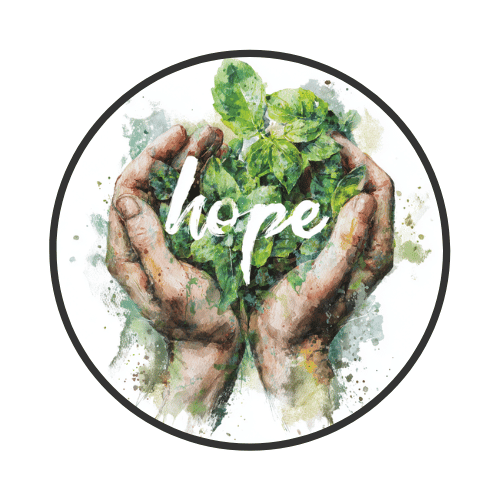
While there’s no instant fix, we can’t let the overwhelming weight stop us from trying. Change begins with us, in our choices, our conversations, and how we show up for one another. We must pause, reflect, and take action, no matter how small. We must lead with open, empathetic hearts and a commitment to connection and growth, even when it feels difficult, even with those we deeply disagree with. Healing starts in quiet moments, in the way we nurture our relationships and the choices we make every day. Every act of compassion plants a seed of hope. We’ve seen the destructive power of hate, now, let’s see the healing power of empathy. How will you choose to show up?